Cooling solutions are no longer limited to large, fixed systems. As residential needs shift and space constraints vary, smaller and more adaptable air conditioning options are becoming more relevant. Instead of comparing systems directly, it is often more useful to understand how each one fits into different living scenarios.
If you are considering a Wall Mounted Air Conditioning Unit in UK, the focus is usually on long-term cooling efficiency and integration into the structure of a property. On the other hand, portable systems address short-term or flexible cooling needs, especially in spaces where permanent installation is not practical.
How Wall Mounted Units Fit Into Residential Design
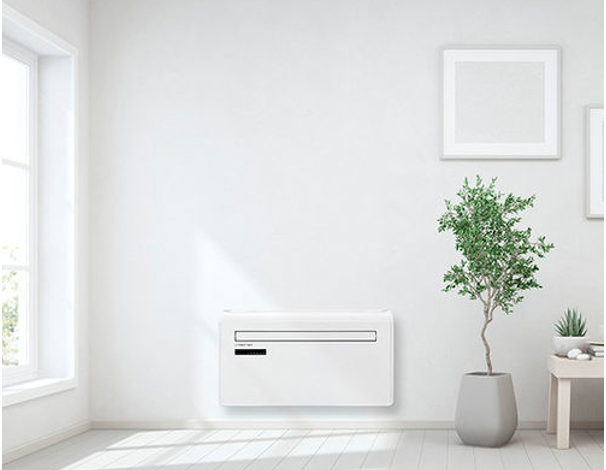
Wall mounted air conditioning units are typically part of split systems, where indoor and outdoor components work together to regulate temperature. These systems are designed to become a permanent part of the building rather than a temporary solution.
Placement and Airflow Dynamics
The indoor unit is installed at a higher position on a wall to allow for optimal air distribution. Cool air naturally descends, which helps in maintaining even temperature levels throughout the room. Placement is not arbitrary; it must avoid direct obstruction and allow consistent airflow across the space.
Integration With Building Structure
Installing a wall mounted unit involves modifying the building slightly, usually by creating a passage for pipes and cables that connect to the outdoor unit. Once installed, the system becomes part of the property’s infrastructure, similar to heating systems.
Control and Regulation Features
Most wall mounted systems include thermostats and remote controls that allow users to set precise temperatures. Some systems also include programmable modes, timers, and energy-saving settings, which help maintain consistent indoor conditions without constant manual adjustment.
Practical Applications of Wall Mounted Systems
These systems are generally used in environments where consistent cooling is required over extended periods.
Residential Use in Living Areas
Living rooms and bedrooms often benefit from fixed systems because they require steady temperature control. Once installed, the system can operate daily without the need for repositioning or setup adjustments.
Office and Workspace Environments
Small offices or home workspaces often rely on wall mounted units for uninterrupted cooling during working hours. Their ability to operate quietly and maintain stable temperatures makes them suitable for productivity-focused environments.
Understanding Portable Air Conditioning Units
Portable air conditioners are designed to function as standalone units that can be moved and set up without permanent changes to the property.
Internal Cooling Mechanism
These units contain all necessary components within a single body. They draw in warm air, cool it internally, and then release heat through an exhaust hose. This hose must be directed outside, usually through a window, to prevent heat from circulating back into the room.
Setup and Mobility Considerations
While portable units are marketed as easy to move, they still require a nearby window or ventilation point for proper operation. Moving the unit between rooms involves repositioning the exhaust system, which can limit true mobility.
Situations Where Portable Units Are Commonly Used
Rather than replacing fixed systems, portable units tend to serve niche or temporary needs.
Rental Properties and Temporary Living Spaces
In rented accommodations, making structural changes is often not permitted. This is where Air Conditioning Portable in UK solutions become relevant, as they provide cooling without requiring installation.
Supplemental Cooling in Specific Rooms
Portable units can also act as secondary cooling sources in rooms that do not receive adequate airflow from existing systems. This targeted approach can be useful in multi-room setups.
Factors That Influence System Selection
Choosing between these systems depends less on which is “better” and more on how they align with specific requirements.
Duration of Use
Long-term, daily use typically favors fixed systems due to their stability and efficiency. Short-term or occasional use leans toward portable solutions.
Space Constraints
Wall mounted systems require sufficient wall space and access for installation. Portable units require floor space and proximity to ventilation points, which can affect room layout.
Energy and Operational Considerations
Wall mounted units are generally designed for sustained operation with controlled energy use. Portable units, while simpler to set up, may consume more energy relative to their output when used continuously.
Conclusion
Wall mounted and portable air conditioning units address different types of cooling needs rather than competing directly. Fixed systems integrate into the structure of a building and provide consistent, long-term temperature control. Portable units offer flexibility and are suited to temporary or constrained environments.
Understanding how each system functions in real-world scenarios allows for a more practical decision based on usage patterns, space limitations, and installation feasibility rather than relying on general assumptions about convenience or performance.